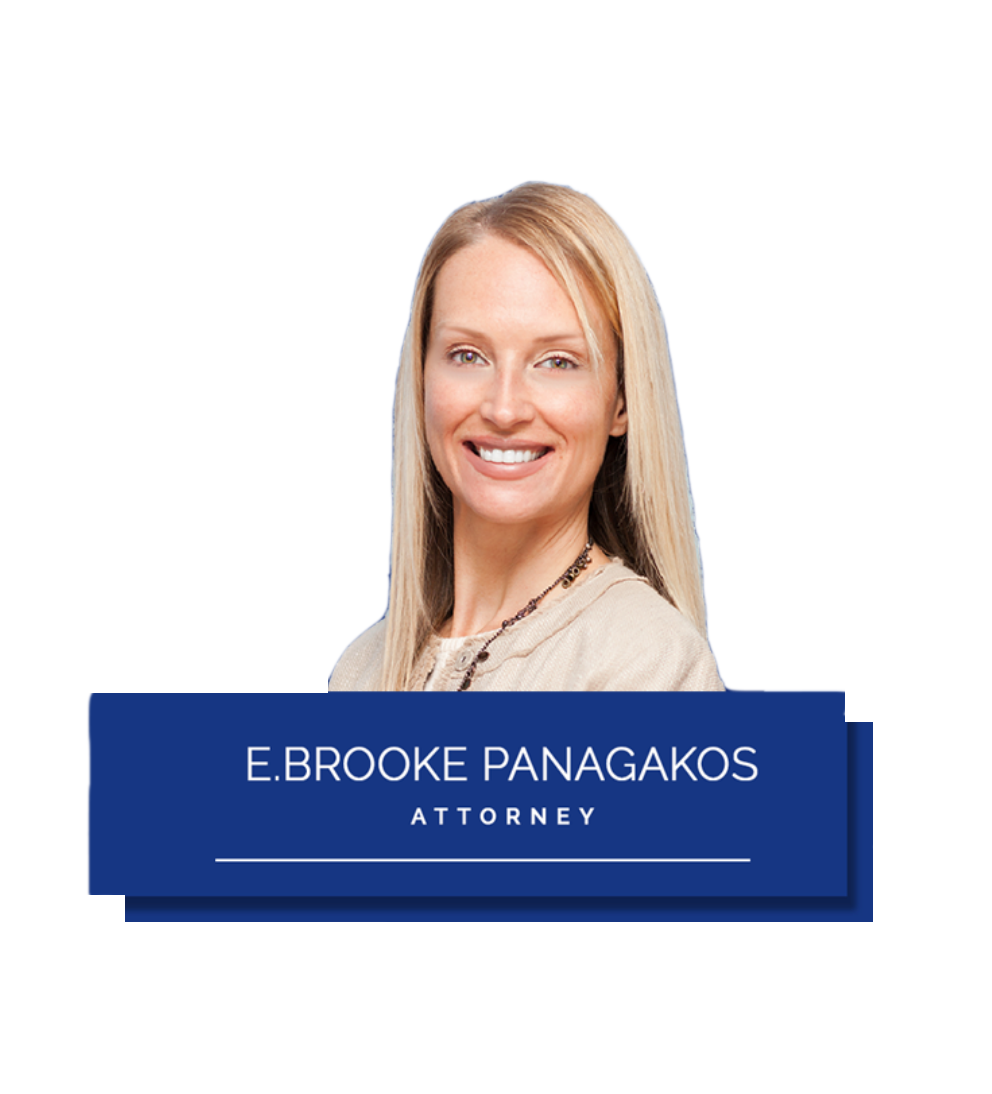
E. Brooke Panagakos
Attorney

Christian Panagakos
Attorney
Florida Bankruptcy Advisors, P.L. is an affordable and experienced South Florida law firm providing bankruptcy, foreclosure defense, loan modification, and creditor negotiation/settlement legal services..
Attorney
Attorney
Filing a Chapter 7 bankruptcy could be a quick way to turn your financial situation around, and rebuild your credit, by eliminating your unsecured debt and getting a fresh start.
Call to schedule a free 15-minute phone consultation with an experienced bankruptcy attorney to better understand your rights and how bankruptcy can help you.
Chapter 13 of the bankruptcy code allows an individual borrower to restructure their secured debt (like a home mortgage or car loan) over a three to five-year plan, while oftentimes paying their unsecured debt (like credit card bills, medical bills and older IRS debt) just pennies on the dollar.
Call to learn more. We're here to help you whenever you're ready.
Chapter 11 has traditionally been used by individual debtors that exceed the debt limit of a Chapter 13 bankruptcy, but more often by business debtors (since businesses are not eligible to file a Chapter 13 bankruptcy). As of August 2019, Congress enacted a new alternative called the Small Business Reorganization Act of 2019, which makes the process more efficient and affordable.
When discussing loan modifications, we are really referring to mortgage modifications secured by real estate. Oftentimes the real estate securing the mortgage is a person’s home. Loan modification is simply the process of requesting changes to the terms of the underlying note and mortgage in order to make the loan more affordable on a monthly basis to avoid foreclosure.
If you experience a foreclosure lawsuit on your property, we can help. We will defend you in the lawsuit through a process known as “foreclosure defense”. In most cases, it is the bank trying to foreclose on your home. But in some cases, it may be the Homeowners Association or Condo Association that is trying to foreclose. Either way, we can help.
If you run out of options to save your home or other real property, or are just ready to move on, we can help you structure a deal with the bank that may allow you to do so. A short sale is a negotiation with the bank whereby the bank agrees to take a "short" payoff on their actual mortgage amount, allowing you to close on a sale price for less than you actually owe. Short sales can allow property owners to get out of their current property without owing the bank any additional money on a mortgage balance that may be much higher than the market value of the property.
Call Now for a FREE Phone Consultation with an Experienced Bankruptcy Attorney to learn more about how bankruptcy may help you.
Call Now for a FREE Phone Consultation with an Experienced Bankruptcy Attorney to learn more about how bankruptcy may help you.